1. Skip to navigation
  2. Skip to content
  • Home
  • Natural Resources
Bookmark and Share

Natural Resources

Natural Resources

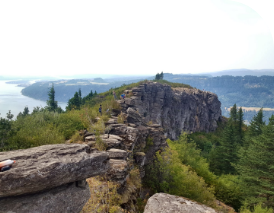
The Beaver State was built by those who relied on the land for their livelihood. Natural resource industries, like farming, forestry, and salmon fishing, remain integral to Oregon’s economy today.  Our state has also long been a destination for Americans looking to experience the great outdoors.  Oregon’s protected public lands provide valuable habitats, supply clean water, and generate jobs through sustainable harvests, recreation, and tourism. Preserving our natural resources and making smart decisions about economic development will help spur rural growth and ensure that future generations can enjoy Oregon’s wild places and public lands while putting people to work.

Protecting Oregon’s Natural Treasures

Oregon is known for its long history of conserving the natural resources that are the foundation of our economy.  From the historic land-use measures led by Governor Tom McCall to the public lands protections championed by Senator Mark Hatfield, the state has preserved our natural treasures and kept much of its land in working farms and forestry. 

Senator Merkley has long been a leader in the conservation and preservation of Oregon’s natural areas.  As a U.S. Senator, Merkley’s very first vote was in favor of a public lands bill that creates new wilderness, wild and scenic rivers, and national recreation areas across Oregon. 

The public lands bill was historic in its scope: it provides protection for approximately 2 million acres across the country as wilderness, including nearly 200,000 acres are in Oregon. The bill protects:


  • 127,000 acres on and around Mount Hood with Wilderness designation and 34,000 acres as National Recreation Areas
  • 23,000 acres in the backcountry of the Cascade-Siskiyou National Monument with creation of the Soda Mountain Wilderness
  • 13,800 acres around the headwaters of the Elk River, known as the Copper Salmon Wilderness, where some of Oregon’s most plentiful coastal salmon runs occur
  • 8,600 acres near the John Day River as the Spring Basin Wilderness
  • 30,000 acres in the amazing Badlands recreational area just outside of Bend

Senator Merkley believes we need to continue to protect the most pristine parts of our state. Unfortunately only 3.7 percent of our state is protected as wilderness, compared to 10 percent in Washington and 13 percent in California.  In addition, we need to protect the last remaining stands of old-growth forest in the state. These unique and amazing symbols of our state’s natural heritage are important to the state’s tourism and recreation industries and provide habitat for important wildlife.


Senator Merkley will discuss innovative solutions and important projects that will preserve our natural resources with Oregonians at town hall meetings around the state. 


Oregon’s Natural Resource Economy


Senator Jeff Merkley grew up the son of a sawmill worker in Roseburg, Oregon, a community supported by Oregon’s natural resources. 


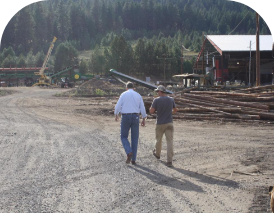
Oregon’s forests provide Oregonians with jobs in the state’s important timber and forestry products industries, and Oregon also gains jobs and economic value from protected areas of our forests.  Recreational activities, including hunting and fishing, contribute $2.1 billion to our state’s economy and the drinking water that flows from forests across the Northwest is worth more than $950 million.


Senator Merkley believes that we need to keep creating jobs in Oregon’s forests, including jobs sustainably harvesting second-growth forests, jobs thinning forests to reduce unnatural build-up of small brush that puts communities at risk of forest fire, and jobs harvesting and processing waste material from forestry and thinning operations for conversion to biomass energy.


Senator Merkley recently worked with President Obama and his colleagues in Congress to pass the American Recovery and Reinvestment Act, which includes $500 million in funding to put people to work thinning our overgrown second-growth forests.   Thinning projects help create jobs in rural communities and reduce the risk of wildfire.


Many rural areas have historically depended on federal timber payments as a source of revenue to fund schools and local services and Senator Merkley is dedicated to finding sustainable long-term solutions for these communities.  As a member of the Oregon state legislature, Merkley worked with leaders in Washington to continue county payments and he is carrying on the work to develop a long-term funding source as a United States Senator. The first bill Merkley introduced in the United States Senate, which he cosponsored with Senator Ron Wyden, would establish a Task Force to propose strategies to give counties dependable sources of revenue after the current county payments program expires.


Senator Merkley also wants to help ensure a vital future for Oregon’s historic fishing industry. He supports science-based efforts to restore Oregon’s wild salmon runs, particularly in the Klamath and Columbia-Snake river systems, and he supports making sure Oregon fishermen get the disaster assistance they need when poor runs from rivers like the Sacramento mean there are not enough fish off the Oregon coast to be fished sustainably.


Rural Development


If Oregon’s rural economy is to grow, there must be significant investment in rural infrastructure.  In addition to supporting agriculture, sustainable timber harvests, and renewable energy production, building rural economies requires building and maintaining 21st-century transportation systems. That means safe and modern highways and bridges, and it means improved access to rail networks to move goods and people.


Increasingly, America’s economy relies on digital connections that span the continent and the globe.  Oregon is home to a number of cutting-edge technology companies, and broadband Internet access in rural areas is essential to retaining those jobs and attracting new companies from any industry.  Senator Merkley supports rural infrastructure expansion to expand and retain jobs and keep Oregon a great place to live, work, and raise a family.


The greatest driving force behind rural economic growth is a set of skilled and innovative workers.  Senator Merkley will work to make higher education more affordable and help Oregon’s technical and community colleges train the next generation of skilled workers and business leaders.

Contact Jeff
Font Size: